South Indian Temples: Energy Centers Beyond Ritual
Many people think ancient Indian temples were built mainly for religious rituals, but their original purpose went far beyond that. These temples were designed as powerful energy centers, not just places for group prayer. Visitors would come, especially in the early morning, not to follow a priest-led ceremony, but to sit quietly and soak in the energy emanating from these sacred structures. It was believed that spending time in these environments helped people feel calm, balanced, and better prepared to handle the challenges of daily life.
🔷 Living Mandalas: Geometry, Vibration, and Intention
South Indian temples were envisioned not merely as places of worship, but as living mandalas—sacred geometries infused with profound scientific insight. Far beyond sites of devotion, they were designed as energetic hubs where architecture, vibration, and intention converge. This was achieved through ancient design principles like Agama Shastra, which guided the proportions and placement of key elements, such as the inner sanctum (Garbhagraha) and the idols. As a result, temples became spaces where people could recharge and feel balanced. Visiting them early in the morning was encouraged to absorb this energy and begin the day with peace and clarity.
📜 Agama Shastra: Sacred Science of Temple Design
Building on these principles, the Agamas offer detailed instructions that blend spiritual insight with architectural precision—defining the temple’s shape, sanctum layout, and even the placement of the deity’s idol. These texts also prescribe mantras and rituals for consecration, ensuring that the temple connects with cosmic energies and becomes a space filled with powerful vibrations. Retreat guests often feel this energy, which supports both their spiritual growth and physical well-being.
🌞 Vastu Shastra: Aligning with Nature’s Flow
Vastu Shastra is another Indian system that guides how South Indian temples are built. It helps connect the temple’s design with nature, according to the system of the 5 elements – earth, air, fire, water and space – to create a peaceful and spiritual atmosphere.
⚡ Earth Energy and Sacred Placement
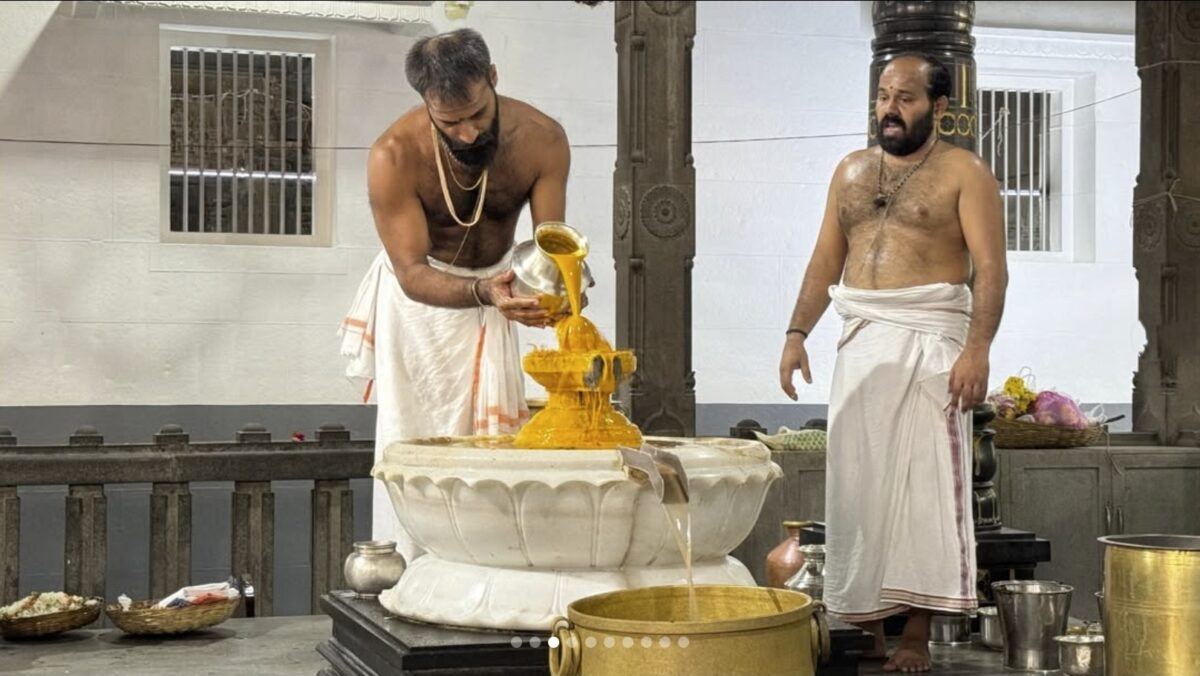
This alignment goes beyond directional placement. Many temples are located at natural energy nodes—where magnetic and electric currents converge—turning architecture into a conduit for cosmic stillness. These temples are like public energy spots, where people can refresh themselves spiritually. You can often feel strong energy near certain idols, like the lingam, which are made with specific materials and shapes to hold and share that energy.
Temples are carefully placed to make the most of sunlight and the earth’s natural energy. They often face certain directions to bring in positive vibrations and the main deity is positioned to match the earth’s magnetic flow. This setup is believed to support inner peace for visitors.
🧿 Panchaloha: Metals That Channel Energy
From foundation to sanctum, temple materials are chosen for their energetic qualities. One special feature is the use of Panchaloha—a mix of five metals: gold, silver, copper, iron, and tin. These metals are chosen because each one is believed to attract and hold cosmic energy, helping create a peaceful and powerful atmosphere in the temple. Scientifically, these metals also resist rust, last a long time, and keep their shine for centuries.
🛕 Kalasams and Gopurams: Energy Beacons
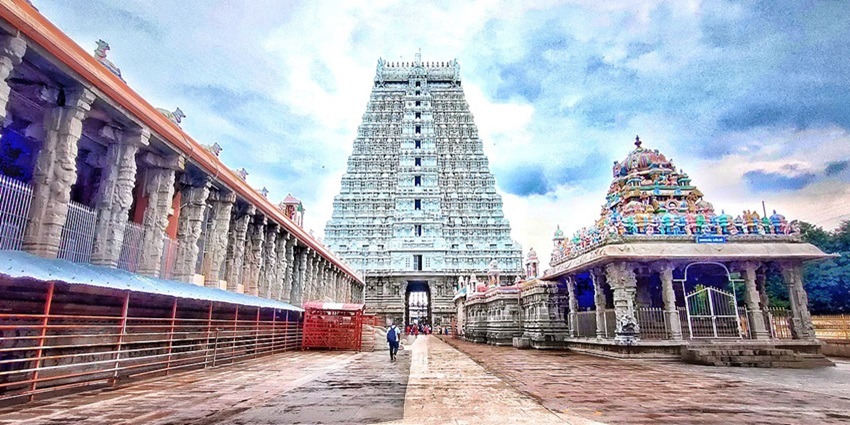
Atop the towering gopurams, metal pots called kalasams extend this energetic design skyward. These are filled with grains and replaced every twelve years to symbolize renewal and the cycle of life. The tall gopurams are not just beautiful—they act like giant signposts, guiding pilgrims from far away. Made from metals like copper and brass, the kalasams help protect the temple by safely redirecting lightning. Their shape and placement are also believed to draw cosmic energy into the temple’s inner sanctum, boosting the spiritual power of the space.
✨ Garbhagriha: The Heart of Divine Presence
At the heart of every temple is the garbhagriha—the inner sanctum where the deity resides. This space is placed at a powerful energy point, believed to hold divine vibrations. Standing here, devotees often feel a sense of peace, clarity, or spiritual upliftment. The alignment of the temple with cosmic pathways ensures that each visit feels like a spiritual recharge—leaving people feeling lighter, more focused, and more connected to their faith.
🔔 Consecration: Breathing Life into Stone
These sacred geometries set the stage—but it’s the consecration rituals that breathe life into the temple. Through chanting, offerings, and symbolic actions, these ceremonies turn the temple from just a stone building into a powerful energy center. The mantras and rituals are meant to invite and hold the presence of the deity in the idol, making it feel alive and full of divine energy. These ancient practices show how deeply the temple builders understood energy and spirituality—a wisdom that still touches millions of people today.
📐 Architecture as a Journey Inward
Altogether, these design choices reflect a seamless blend of spiritual intention and scientific insight—making South Indian temples timeless expressions of ancient wisdom. From the towering gopurams to the intricately carved mandapas, every element is crafted to guide the visitor inward—evoking devotion and emotional resonance. These temples are built to guide people from the outer, everyday world toward a deeper, divine experience.
💫 A Meditative Walk through Sacred Space
As you walk through the temple, the layout gently leads you inward—symbolizing a journey from the material world to spiritual awakening. Every architectural detail works in harmony to soothe the senses and center your awareness on the divine. Guided by the ancient systems of Agama Shastra and Vastu Shastra, the temple’s design becomes a silent rhythm—where symmetry and direction gently guide the visitor into mindful presence. Even the act of walking through the corridors can feel meditative.
Conclusion: Ancient Spaces, Contemporary Spirit
Why South Indian Temple Wisdom Still Matters Today
The ancient knowledge built into South Indian temple architecture still holds great value in today’s world. These temples are much more than places of worship as they combine smart engineering, energy science, and a deep understanding of how humans connect with the universe. These sacred spaces help refresh and uplift the human spirit through their carefully designed energy flow.
Even modern architecture, with all its technology, looks back to these ancient designs for inspiration and are still used in homes and buildings today.
In our fast-paced lives filled with stress and disconnection from nature, temple-inspired design offers a way to create peaceful, healing environments. These ancient spaces show us how architecture can support mental well-being and help us feel more connected to something greater.
By blending old wisdom with modern needs, we can build spaces that support a holistic lifestyle—one that nurtures both body and soul. Exploring the science and spirit behind South Indian temples helps us preserve cultural heritage while also finding smart, sustainable solutions for today’s challenges.