I. Introduction to Tiruvannamalai
- A. Historical Significance
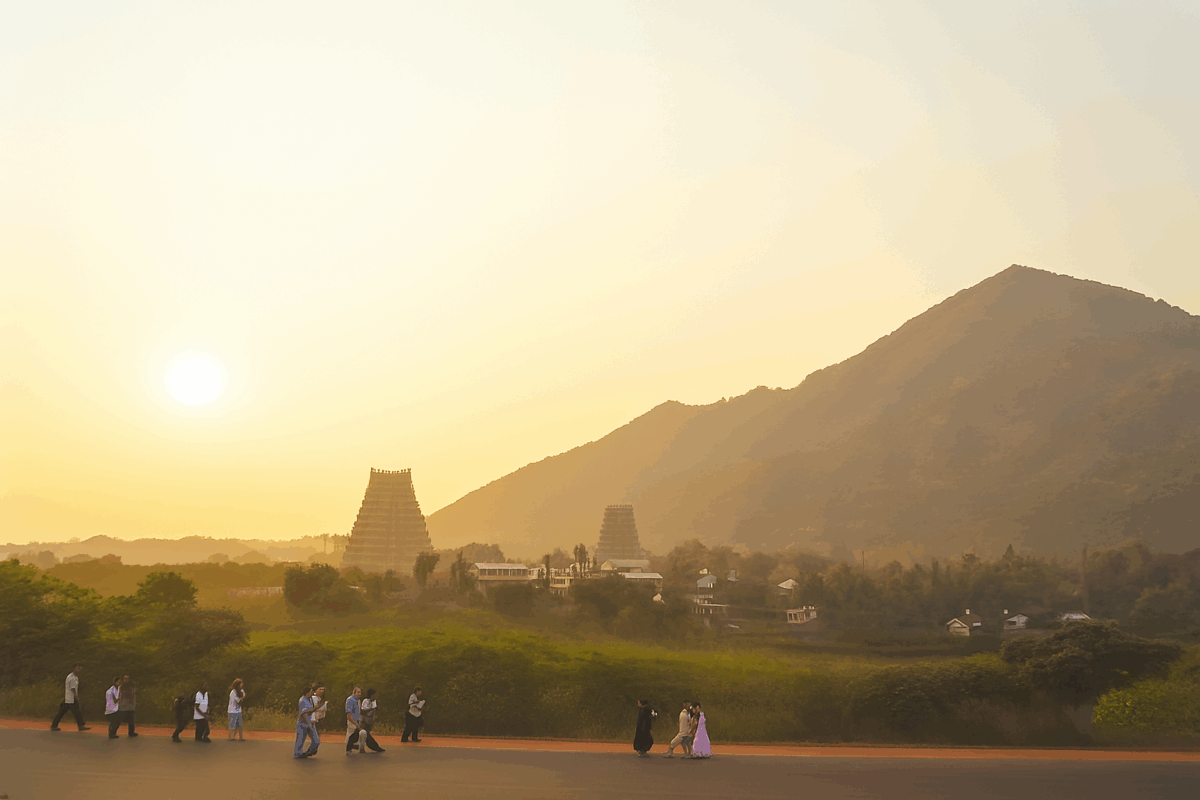
Across India, each spiritual hub reflects a distinct tradition and energy, but Tiruvannamalai—home to the sacred Arunachala—stands apart with its uncompromising simplicity and silent depth. Unlike paths steeped in elaborate rituals, this is the land of Self-enquiry, a direct inner journey whose threshold is silence itself. Set at the base of the majestic Arunachala, roughly 120 miles southwest of Chennai, Tiruvannamalai is a modest town with an ancient soul and a towering temple that draws seekers from every walk of life. Revered by Sri Ramana Maharshi as the spiritual Heart of the world, Arunachala is not merely a hill—it embodies the radiant stillness of wisdom itself. The word Aruna suggests a luminous redness, not fiery in temperature, but symbolic of Jnanagni—the flame of knowing. Achala means unmoving, silent mountain presence. Together, Arunachala emerges as the “Hill of Wisdom,” a sacred embodiment of truth and divine stillness. Rooted in timeless scripture and living devotion, this is not just a geographic location—it is a spiritual beacon for those seeking the essence beyond form.
- B. The Spiritual Landscape
The town is studded with key temples, each echoing tales of devotion and spirituality. Among them, the Arunachaleswarar Temple is particularly notable. The towering Arunachala Hill watches over the area, believed to be the earthly representation of Lord Shiva, and attracts spiritual seekers to its serene paths. Major festivals, like the Deepam Festival, further enrich the cultural tapestry, filling the air with joy and devotion.
- C. Purpose of the Guide
This guide aims to help retreat guests explore and navigate the sacred rituals of Tiruvannamalai. It highlights how these rituals can lead to transformative experiences and encourages respectful participation in the vibrant spiritual practices of the area.
II. Daily Rituals at Temples
- A. Morning Aarti (Worship Ceremony)
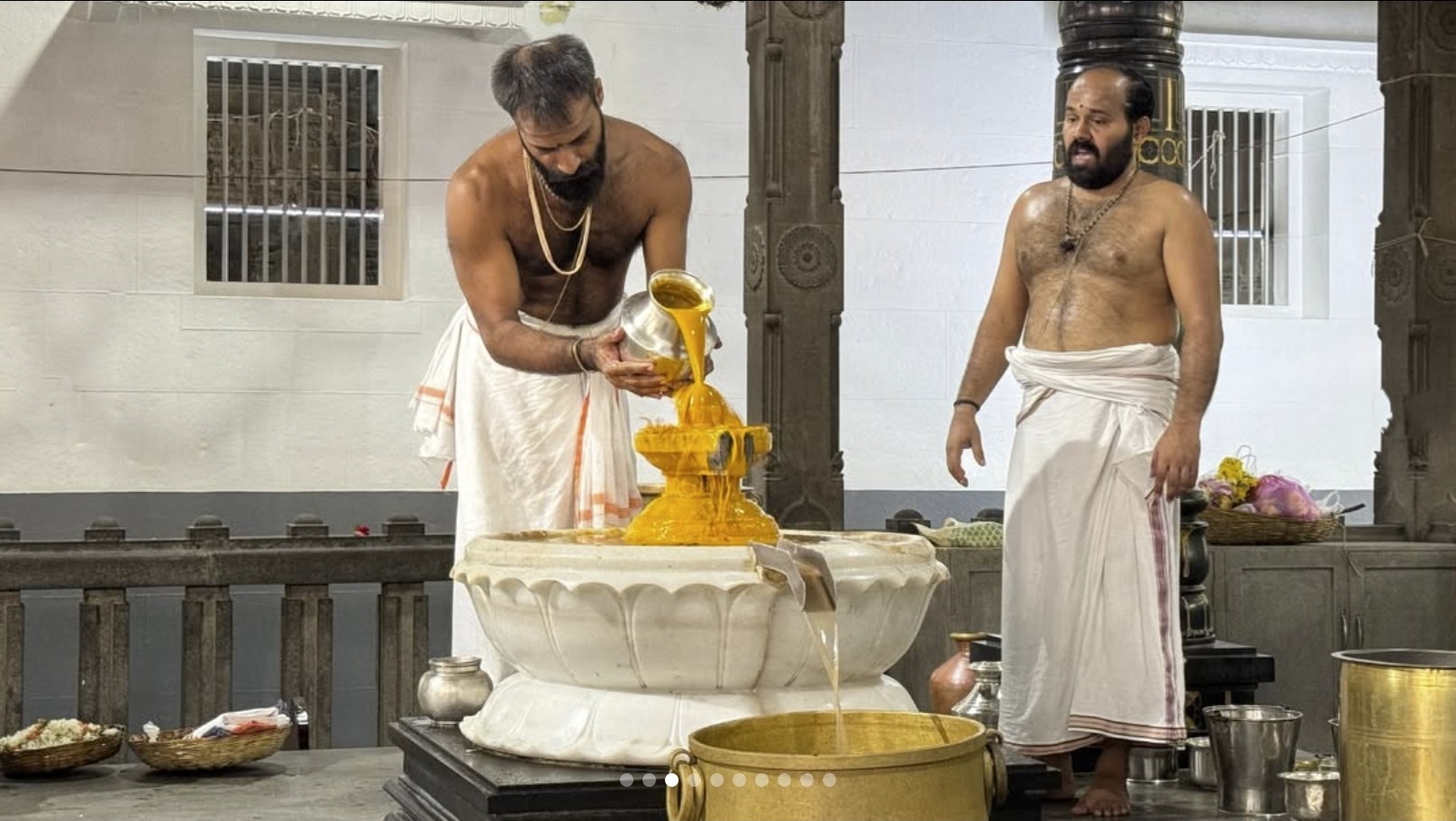
The day in Tiruvannamalai often begins with the Morning Aarti, conducted in various temples at dawn. This sacred ceremony sets a spiritual tone for the day, with devotees gathering to offer their prayers. Traditional practices include offering flowers, fruits, and lighting lamps. Participating in the ritual is a soul-stirring experience, as the chants and rhythmic sounds create an atmosphere of peace and devotion.
- B. Afternoon Reading (Contemplation)
After lunch, Ramanasramam reopens its serene doors at 2:00 PM. Retreat guests are welcome to spend quiet moments in the Library, Samadhi Shrine, resting in stillness and deep contemplation. As the afternoon unfolds, they can join the Reading in English session at 4:30 PM in the peaceful ambiance of the Ashram’s Reading Hall—a gentle invitation into the teachings of Bhagavan Ramana.
- C. Evening Pradakshina (Circumambulation)
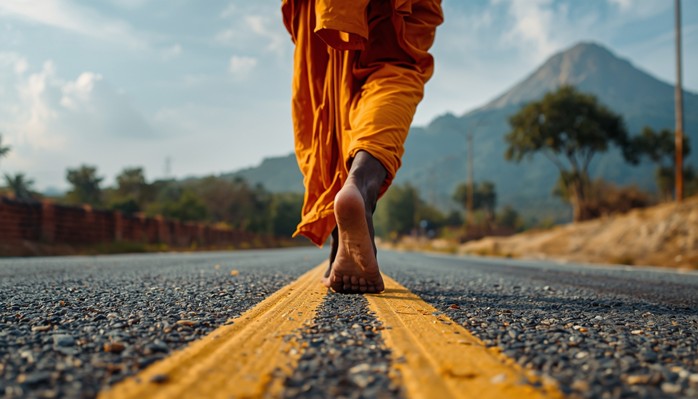
As daylight fades, devotees partake in the Evening Pradakshina—walking the sacred 14 kms path around Arunachala Hill. This acts as a meditation on the move, offering a chance for personal reflection. Walking in a clockwise direction symbolizes respect for the divine. It’s recommended to maintain a tranquil mindset, or sing hymns during Giripradakshina. One should also bow to the Hill from each of the eight cardinal directions as represented by the eight Ashta Lingams. The Giripradakshina circuit is traditionally started from the big Arunachaleshwara Temple in town. The devotees of Sri Ramana Maharshi usually start from Sri Ramanasramam. You can start Giripradakshina from any other place, as long as you end at the same place. There are signs along the way that mark the distance covered on the circuit; this distance is taken from Arunachaleshwara Temple.
III. Special Rituals and Festivals
- A. Maha Shivaratri Celebrations
Maha Sivaratri stands as the most revered night dedicated to Lord Shiva. On this sacred occasion, devotees observe a full-day fast and engage in worship through all four quarters of the night, offering their devotion with unwavering focus. Temples and households come alive with rituals, where the Shiva Linga is honored through sacred ceremonies and heartfelt offerings. The energy that fills the night is both profound and electrifying, reflecting the deep spiritual weight of the celebration. In Tiruvannamalai, those in good health and close to Arunachala undertake Giripradakshina, the ritual walk around the holy hill—a practice that Ramana Maharshi affirmed as true worship of the Lord of boundless compassion. For retreat guests, taking part in these sacred celebrations can awaken a deep sense of inner stillness and bring about a transformative experience. In 2026, Maha Shivaratri will be observed on Sunday, February 15.
- B. Full Moon Nights
Purnima, or Full Moon Day, marks a powerful turning point in each lunar month, dividing the brighter Shukla Paksha—the waxing phase—from the darker Krishna Paksha—the waning phase. On this spiritually charged night, close to 300,000 devotees, many arriving from far and wide, gather in Tiruvannamalai to walk the sacred path around Arunachala. The tradition reflects a deep-rooted belief that the Hill’s spiritual energy radiates most strongly under the full moon’s glow. For retreat guests, joining the Giripradakshina during this time can be a profoundly moving experience—walking under starlight, immersed in collective devotion, with the tranquil night air amplifying moments of silence, reflection, and inner connection.
- C. Deepam Festival
Each year, during the sacred Tamil month of Karthigai (mid-November to mid-December), Tiruvannamalai comes alive with deep reverence as the Karthigai Deepam—a towering flame atop Arunachala—is lit in celebration of the hill’s divinity. This great beacon, fueled by a massive cauldron of oil, remains aglow for 9 to 13 days, visible from afar like a radiant symbol of spiritual light. Likely to fall on Friday, December 5, 2025 (based on the Karthigai Nakshatra in the Tamil month of Karthigai), The event draws nearly a million pilgrims who flock to witness the luminous spectacle and perform Giripradakshina, walking reverently around the sacred hill. Coinciding with the full moon, the festival beautifully unites celestial grace and earthly devotion. The lighting of the beacon is more than a visual marvel—it’s a deeply spiritual moment that infuses the town with energy and awe. For retreat guests, immersing in this extraordinary celebration offers a rich encounter with local tradition, awakening both inner and cultural connection.
IV. Meditative Practices and Silent Retreats
- A. Meditation in Sacred Spaces
When visiting Tiruvannamalai, one quickly senses the deep spiritual current flowing through the town. At the heart of this is Arunachala Hill, whose sacred presence has drawn saints, sages, and seekers across generations, giving rise to a vibrant landscape of ashrams and spiritual landmarks. Venturing beyond the Ramanasramam’s gates reveals hidden gems like Seshadri Swamigal Ashram, known for its peaceful ambiance and soul-soothing chants—a space ideal for reflection. A short distance away, about 300 meters from Ramanasramam, lies Yogi Ramsuratkumar Ashram, a sanctuary for those drawn to bhajans and spiritual teachings. Revered as the “Visiri Swami” or the saint with the hand fan, Yogi Ramsuratkumar’s legacy infuses the ashram with a unique energy of devotion and simplicity. For those yearning for silence and serenity, Tiruvannamalai offers countless meditation spots, each radiating an atmosphere of calm and inner stillness.
- B. Silence and Contemplation
Ramanasramam has blossomed into a serene haven for meditation, Self-enquiry, and the living tradition of Advaita Vedanta. In this temple steeped in silence, the practice of atma nishta—abiding as the Self—feels deeply accessible. Rooted in the profound teachings of Bhagavan Sri Ramana Maharshi, especially the quintessential inquiry found in “Who am I?”, the ashram exudes his silent grace, touching the hearts of seekers from around the globe.
Visitors often find themselves naturally drawn into stillness. Some spend their time in quiet reflection within the meditation halls, while others circumambulate the shrines of Sri Bhagavan and the Divine Mother, moving gently in rhythm until the chants and pujas begin. Though there’s no formal guidance for meditation, each person follows their own inward path—drawing from their background or simply immersing in presence. The atmosphere itself supports this inner unfolding. Far from being a disturbance, the distant sound of sacred chanting and ritual enhances the meditative depth, as if the space itself were gently encouraging each soul inward.
- C. Integration of Rituals and Meditation
Beyond the stillness of the Shrine and Meditation Hall, Ashrams come alive each day with a quiet but steady rhythm of sacred activity—echoing the teachings. Mornings begin with the gentle flow of Vedic chants at dawn, as devotees assemble for the daily puja, a ceremony that nurtures collective devotion and inner alignment. These rituals offer not only reverence but a shared spiritual rhythm that unites hearts.
In the Samadhi Hall at Ramanasramam, one finds a sanctuary of silence where meditators gather, deeply attuned to Bhagavan’s presence. Here, ritual and meditation intertwine, enriching each other and grounding the seeker’s journey. Guests are gently encouraged to weave these practices together—letting the external rhythm of devotion guide the inward stillness of self-inquiry. This synergy fosters both personal depth and spiritual harmony.
V. Etiquette and Guidelines for Retreat Guests
For international visitors, the cultural customs of Tamil Nadu—especially in sacred spaces—can feel unfamiliar at first. To help you navigate respectfully, here’s a helpful overview for honoring local traditions in Tiruvannamalai’s temples, ashrams, and shrines.
India places great importance on reverence in holy places, expressed through modest attire and humble behavior. In Tiruvannamalai, particularly around the revered Arunachala Hill, it’s essential to carry this respect into every interaction—whether at large temple complexes or small hillside shrines.
Dress appropriately: Loose, non-transparent clothing that covers the chest, shoulders, and legs is required. For women, sleeves are encouraged, and trek-friendly attire should still maintain modesty. Footwear must always be left outside—carrying shoes in a bag inside sacred areas is considered equally disrespectful.
While visiting spaces like Skandasramam and Virupaksha Cave (open daily from 8.30 AM to 4.30 PM), please note that offerings are not accepted, and silence is expected. Be cautious of unofficial guides near the hill and the ashram, and women are advised not to hike alone.
Silence is sacred: Inside meditation halls, shrines, and dining areas, refrain from using mobile phones or engaging in conversation. If you wish to make a monetary offering, do so only at the designated temple or ashram office, where you’ll receive a receipt.
Finally, be observant. Traditions vary slightly from place to place, so a respectful way to adapt is to simply watch how locals behave and follow their lead. Your mindfulness not only shows respect—it deepens your experience of this profoundly spiritual land.
VI. Conclusion and Summary
Tiruvannamalai’s sacred traditions offer a deeply nourishing path for inner growth and spiritual awakening. When guests engage in these age-old practices with sincerity, they often discover meaningful shifts within themselves. Honoring the spiritual essence of the town fosters a sense of reverence that leaves a lasting imprint on one’s journey. Spending most of your time within the ashram grounds allows for a deeper absorption of Arunachala’s quiet presence and the living wisdom of Ramana Maharshi. From watching the first light touch the sacred hill, to joining early morning chants and settling into the silence of evening meditation, each moment becomes a doorway to inner transformation.
Within Arunachala’s stillness, pure Presence unfolds. And in that sacred Presence, the seeker dissolves—leaving behind nothing but the luminous Self: radiant, vast, and free..